It’s been a couple of months since I last posted on this blog. The main reason is that we moved house (packing up is a bitch).
We’ve relocated from the bland northern suburbs of Melbourne to the pretty country town of Gisborne in the Macedon Ranges, between Sunbury and Woodend (for those who know them) and on the way to the gold rush towns of Castlemaine, Bendigo and Ballarat.

So we have made the proverbial “tree change” swapping the conveniences, but also the congestion of suburbia, for the quieter life and fresh air of the pastoral countryside.
Gisborne, it’s quiet, pretty, country town of about 12,000 people, with lovely tree-line streets, nestled in a green valley – an hour’s commute from the centre of Melbourne.
According to Wikipedia, it is named after Henry Fyshe Gisborne the first Commissioner of the district and began life as a merino sheep grazing station. There is still plenty of farming about: sheep, cows, alpacas and horses, olive groves and vineyards.
Probably the most famous thing nearby is Hanging Rock – for those of you who have read the book ‘Picnic at Hanging Rock‘ (the mysterious novel by Joan Lindsay) or seen the spooky movie, directed by Peter Weir (Witness).
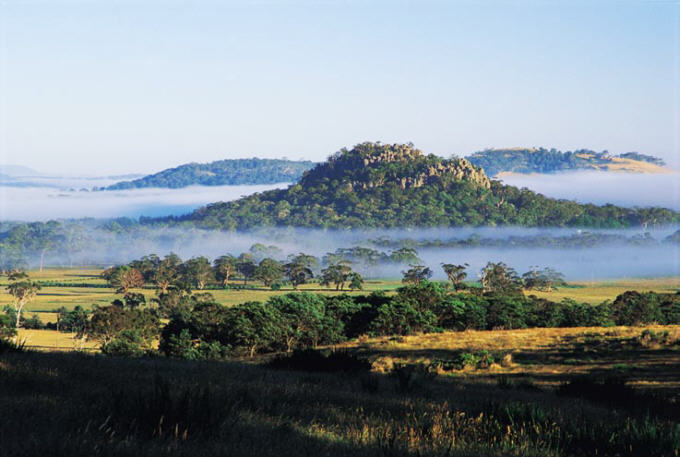
Hanging Rock in Woodend
Unfortunately we don’t have the funds yet for a grand country estate or even a rural block – we’re renting on a subdivided block – but we’re surrounded by tall trees and mountains and on a clear night the pitch black sky is peppered with an astonishing display of flickering stars.
Also, a two-minute drive in the car and you’re winding your way through a sweeping vista of valleys and green and gold mountains: it’s food for the city-wearied spirit.
On my daily train ride into work the farms and fields fly by and beyond them the undulating hillsides, stone cottages, grand Victorian homesteads, before we re-enter the sprawling ‘McMansions’ of suburbia.
It is good to be “disconnected”.
The last time we moved house was four years ago – swapping one Melbourne suburb for another.
Goodbye to stuff
Over that time we naturally accumulated a lot more things, but as we packed up our house, it did strike me – as we deposited hundreds of CDs, DVDs and books at our local charity shops – how technology had embedded itself even further into our lives.
Armed with a Netflix account, a Kindle and an iPod and/or Smartphone, who needs to hold onto these things?
Just about anything you want to watch or listen to these days can be found, streamed or stored on a device or online. I can’t remember the last time I bought a DVD (I think it was a season of Nurse Jackie or Inspector Morse) or a CD from a shop.
I still like buying actual books (there’s something nice and tactile about holding a book in your hands) but it’s hard to beat the almost instant delivery to your Kindle and the cheaper prices.
I should also remark that over the four years we lived in our Niddrie suburban house, our two local video stores – a Blockbuster and a Video Ezy – closed down (I blogged about this in: In memorium: the suburban video store).
In the end, we only kept a small selection of books, CD and DVDs mostly for sentimental reasons or because we will use or watch them again. Also, to ensure we had something to put on our bookshelf – its still aesthetically pleasing and homely to have a lounge filled with books.
The other physical thing we have less now of is printed out photographs.
I spent a nostalgic Sunday afternoon going through my old photo albums, pulling out only a selection of photos dating back to my early childhood and encompassing my Bar Mitzvah, numerous overseas trips, four years of London life, my year in Brisbane and six years in Sydney. It was a nostalgic and sentimental afternoon: many faces I had long forgotten, or have lost touch with.
In the end a huge stack of bulky photo albums was reduced to a shoe box of photos and a small stack of CDs.
Everything else, especially the record of the last decade or so of my life, is stored on the computer in endless digital files
More recently, I took the prudent step of backing everything up in the digital “Cloud”.
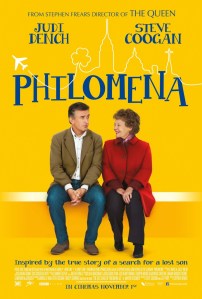 The story of Irish woman Philomena Lee’s search to find the long lost son she was forced to give up for American adoption in the 1950s was made into a moving

 Like many people, I watched the Netflix teen suicide drama ‘
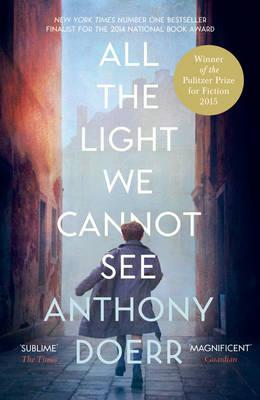 All the Light We Cannot See is a historical novel by American author Anthony Doerr that won the 2015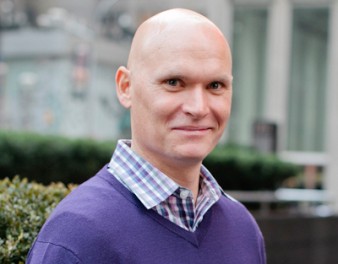
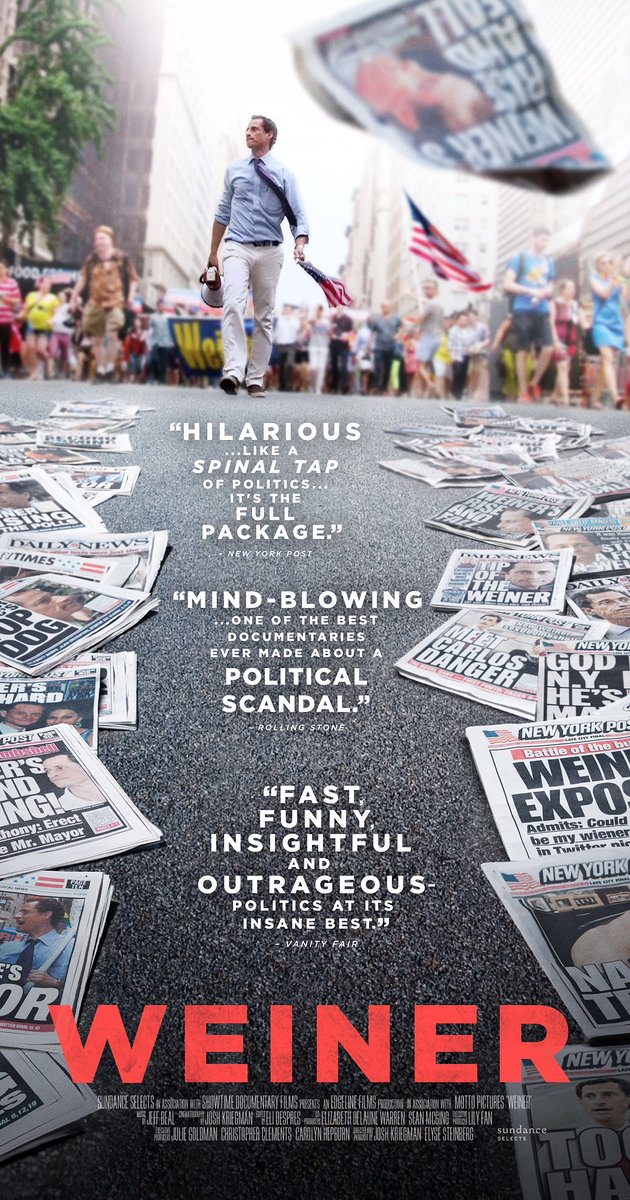
 There’s a brilliant documentary floating about called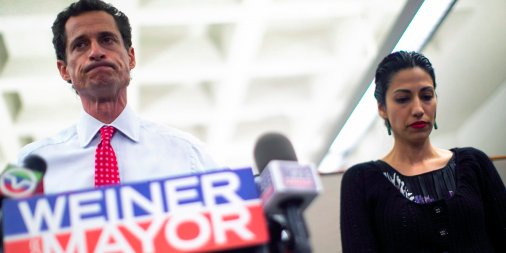
 On the lookout for something bold and exciting to read, I browsed through my well-thumbed copy of 1001 Books You Must Read Before You Die and came across The Master and Margarita by the Russian writer Mikhail Bulgakov.
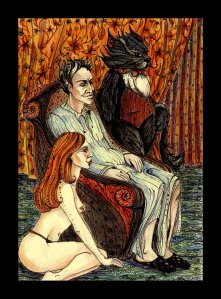 This combination of cunningness and gentlemanly charm pervades the whole novel as Woland and his companions – the grotesque valet Koroviev; an enormous talking black cat called Behemoth (one of the best creations in fiction in my view), fanged hitman Azazello and an assortment of witches and other demons wreak all manner of chaos on Moscow’s disbelieving middle-classes.
 The horror is ratcheted up a notch as Bengalsky’s head is picked up and showed to the audience. “Fetch a doctor” the head moans. After promising to stop talking “so much rubbish” the head is plopped back on its shoulders as if it had never been parted.
 Zoo Time is another very funny, novel by Howard Jacobson, the writer of the Booker Prize-winning The Finkler Question (
 The Bell Jar is the only novel written by the late, great American poet,
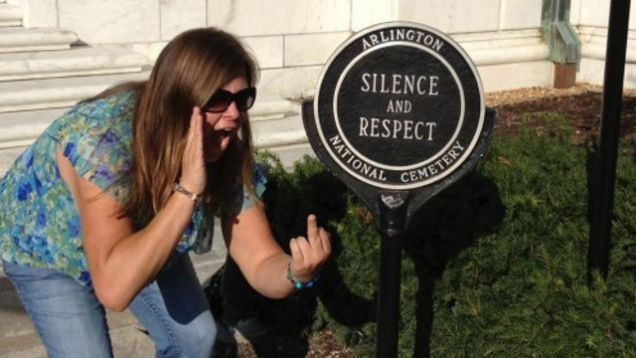
 I remember when the whole universe seemingly exploded over Justine Sacco, the PR executive who Tweeted:
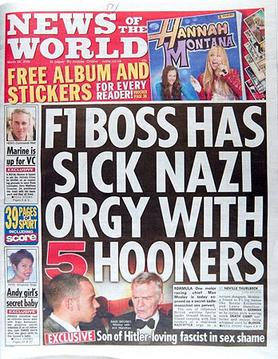
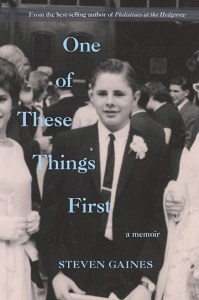 My introduction to the New York writer and journalist
  After finishing the book, I had a peak around Gaines personal website. He is a prolific writer, the
