
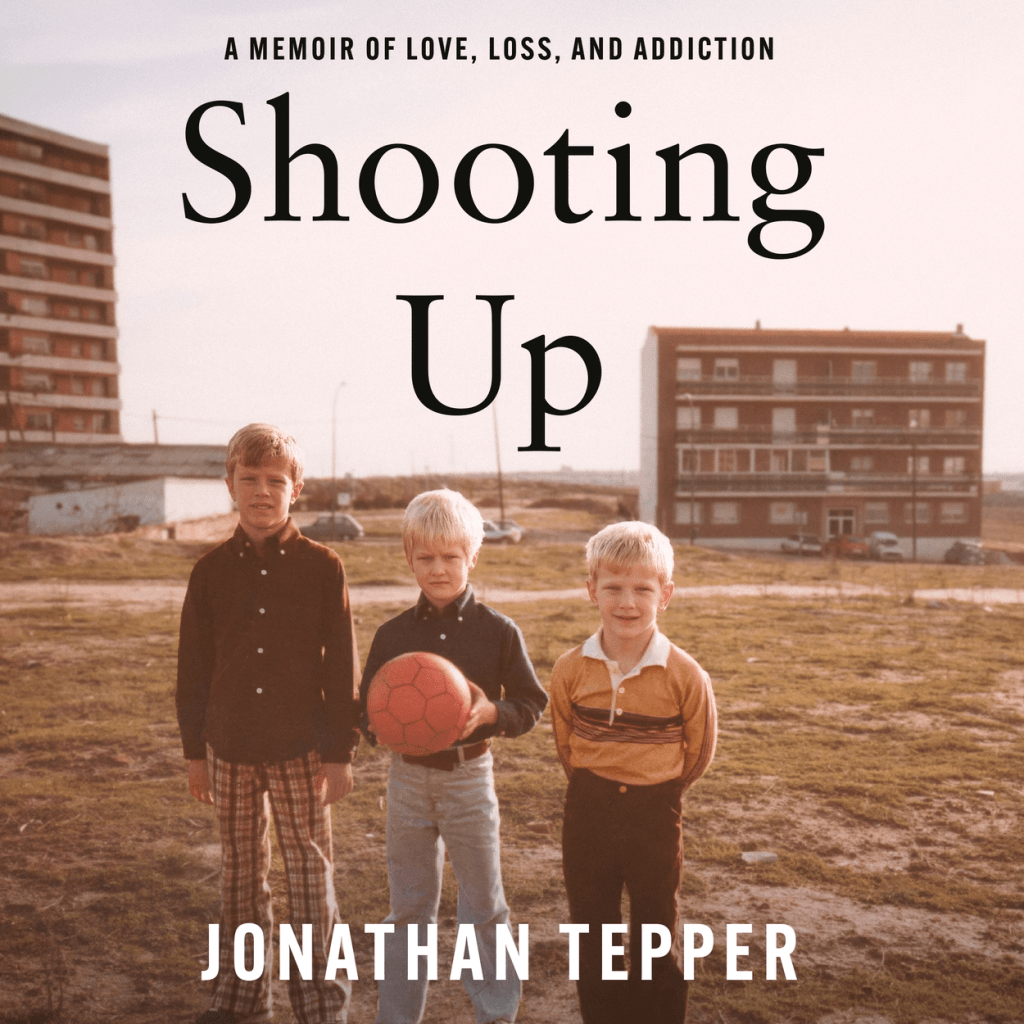
Many Australians in business and property will remember fund manager Jonathan Tepper for his provocative report in 2016 warning of a bubble in the local housing market and forecasts of a massive fall in house prices – up to 50% in Sydney and Melbourne.
Not many though would know that he spent much of his youth on the mean streets of San Blas, an impoverished, heroin-riddled suburb of Madrid whilst his missionary parents set up a church dedicated to helping junkies get clean and live productive meaningful lives.
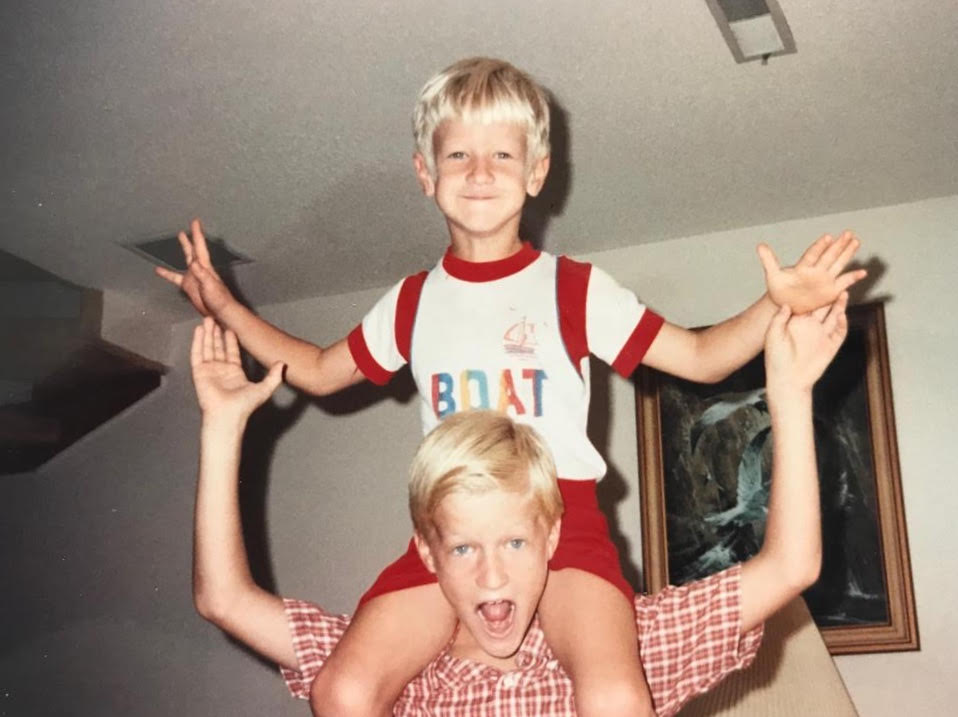
Jonathan and his three brothers – David, Peter and Timothy – were just young boys when the family moved to Spain from the US in 1983 and his and their experiences are chronicled in an honest and unflinching memoir he published this year called “Shooting Up”.
The book is subtitled “A Memoir of Love, Loss, and Addiction”, which is a good summary of the main themes eloquently and painfully described by Tepper: love for his family, the people of San Blas, the rehabilitated addicts that became his “brothers and sisters”; loss for all the lives destroyed by drugs and AIDS, and addiction for the steely grip of heroin on the local community and those who chose to free themselves of it.
In keeping with the last of these themes, Tepper’s memoir begins with he and his brothers out looking for “yonkis” (junkies) to hand leaflets to as their parents sought out those in the community in need of care.
“Give them to anyone who looks like a heroin addict. Come back empty handed,” [my father] told us, “You’ll get an ice-cream of whatever flavour you want if you do.”
While these initial efforts to find “yonkis” ready to be healed resulted mostly in failure, and even the threat of violence, over time, the Tepper family won over the trust of many in the local addict community. With their support, Elliott and Mary created Betel, a free rehabilitation program that has since grown into a global movement (100 cities in 19 countries) that’s saved and transformed the lives of hundreds of thousands of people battling addiction and homelessness. (There’s even a Betel branch on the outskirts of Melbourne, Betel Shalom in Lilydale in the Yarra Valley).
To supplement the limited financial support they received from donations, the Teppers can up with an ingenious plan to open a store selling restored furniture. The derelict furniture would be repaired by recovering addicts, providing a rewarding and meaningful activity to direct their attention away from their cravings.
Tepper spent many hours in the crowded shop and on the football field, forming life-changing bonds with recovering addicts like Raul Casto, who is one of the central characters in the memoir. Once a streetwise, tough guy, Raul became like a brother to young Jonathan, and who would preach to the local community from the church pulpit.
The love Tepper has for Betel’s inspirational leaders become deep grief when the AIDs epidemic ravaged the local community. Because of needle sharing, the virus was passed on to almost every addict that made their way into the Betel program, and each loss was devastating to Jonathan and his family.
Tepper describes visiting the sick and dying at the imposing and foreboding Ramon y Cajal Hospital, and there are so many painful farewells. Tepper also writes about another intensely personal tragedy, the death of his younger brother Timothy in an automobile accident whilst the brothers and their father were on a road trip back in the US.
It’s a devastating moment which also produces some of Tepper’s best writing as he describes the inner turmoil, suicidal grief and immense sadness that engulfed him upon returning to Madrid without Timothy.
Despite chronicling so much grief and loss, Tepper’s elegantly written memoir is also a celebration of people who lived live full of purpose and meaning, even though they were cruelly cut short. It’s also a tribute to the determination and devotion of his parents, and the deep bond of four brothers who forged new identities in a strange place and time. I highly recommend it.
Jonathan Tepper kindly sent me a copy of his book, and after I finished it, agreed to a short interview:
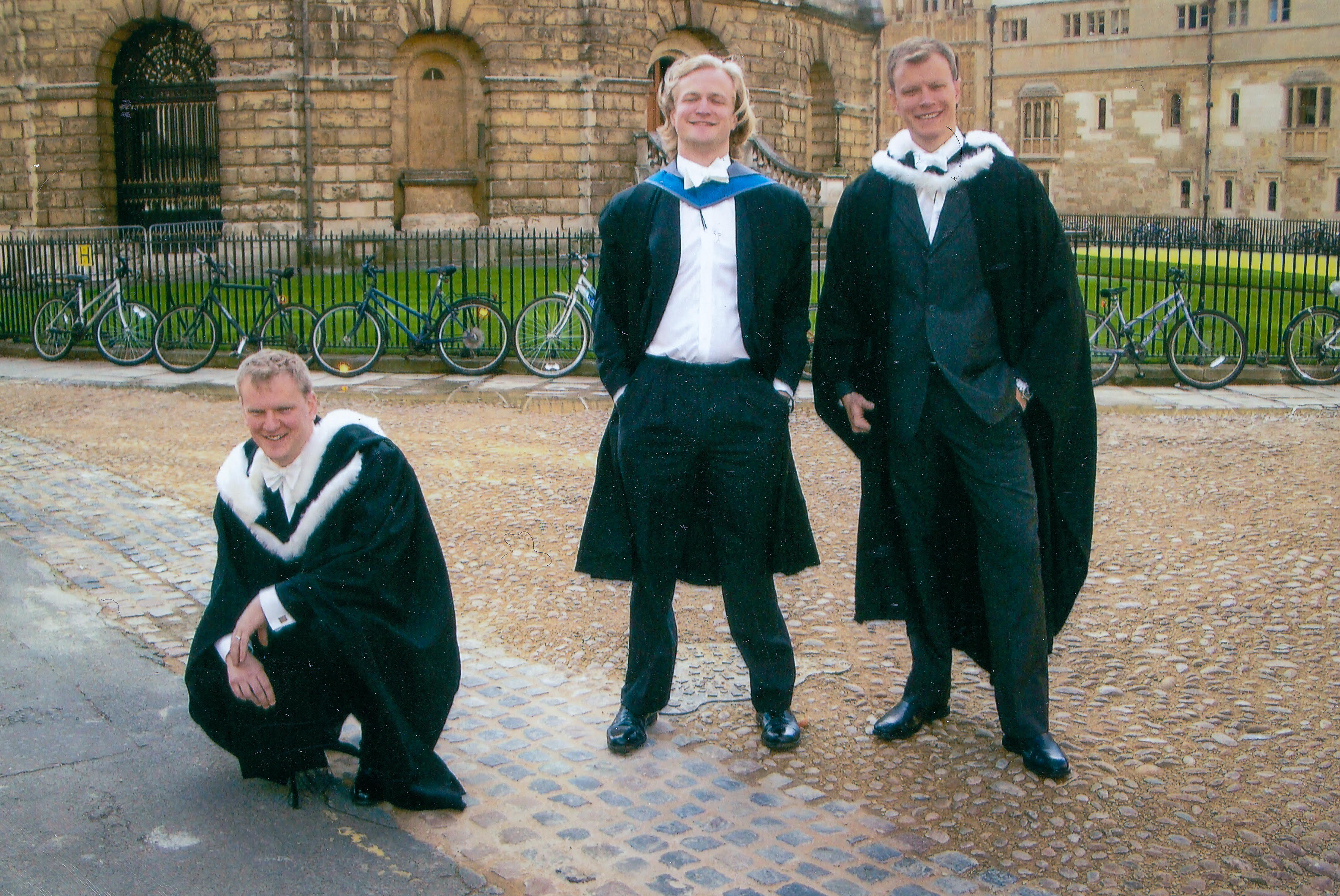
You wrote the memoir between 2005 and 2008 but only published it this year, how challenging was it to get it edited and finished and what kept you going?
I started writing this, believe it or not, about 20 years ago. At the time I was working as analyst at SAC Capital and living on the Upper West Side. One weekend I went to Barnes and Noble on 82nd Street and saw this book with a beautiful cover by Bruce Davidson titled Flying Over 96th Street, Memoir of an East Harlem White Boy. I picked it up and the prose was beautiful. It was a story of a blond-haired, blue-eyed boy. His parents had moved him to East Harlem in the 1950s, and he grew up in the 50s and 60s during the Civil Rights era.
I wrote the manuscript but put it away when it got a few rejections. At the same time, I was very busy starting two companies and then my own investment fund and felt I did not have time to edit it further or get it published.
In 2022 a, great mentor of mine in London who’s a retired fund manager, was talking about his parents and I mentioned Shooting Up. And he said I should really get this published before my father dies. My father’s now 79. He had a minor stroke last year, but he’s still working, helping people, running the drug rehab center. Fortunately, by 2022 I had already written three books, and my literary agent was able to get a contract with Little Brown [for Shooting Up]. I’m glad it is finally out.
What did you enjoy most about writing the memoir and what were the hardest aspects?
The most enjoyable part was interviewing family and friends and reconnecting with people I had lost touch with. I had my own memories, but I wanted to double check them. I reconnected with the head doctor of the infectious diseases ward at Ramon y Cajal hospital. We both felt we had lived through something unique and extraordinary.
Raul Casto is one of Shooting Up’s main characters and was like an older brother to me. In fact I’m still very close to his wife Jenny and his daughters. In 1995 when Raul died his daughters were aged three and five and I had gone off to college. However, I didn’t realise that because they were so young they didn’t have many memories of him. So when I gave them the final draft of the book, his daughters sent me beautiful notes telling me that they felt the book had brought their father closer to them. Without a doubt that was the best part of the entire project.
The hardest aspect was writing chapters about the lives and deaths of family and friends who were so dear. Readers tell me they have had to put the book down at times. I certainly did when I was writing it.
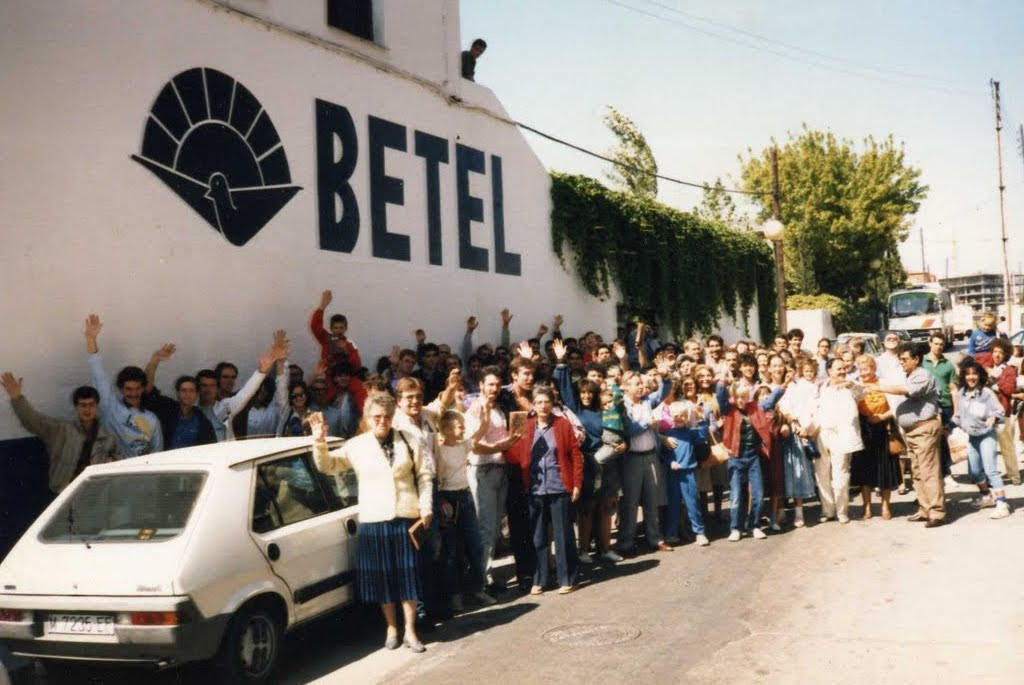
What feedback have you received from your family, friends and people within Betel who have read the book?
My brothers, mother and father read an early draft of Shooting Up, which was not as good as the final draft, and said they liked it. My mother loved it and thought it was full of hope, which captured the spirit of Betel through my eyes. Also, my father liked it too. Certainly, there’s quite a lot of painful and honest things about the whole family, about each brother and myself included. However, my brother David told me it was very sad yet very beautiful and thanked me for writing it.
Meanwhile, my father half jokingly said he thought I was too hard on him because he comes across as a bit of a charismatic visionary figure but also a disciplinarian. For example, I call him the autocrat of the breakfast table. But he said he thought I told the story as it was and from the inside.
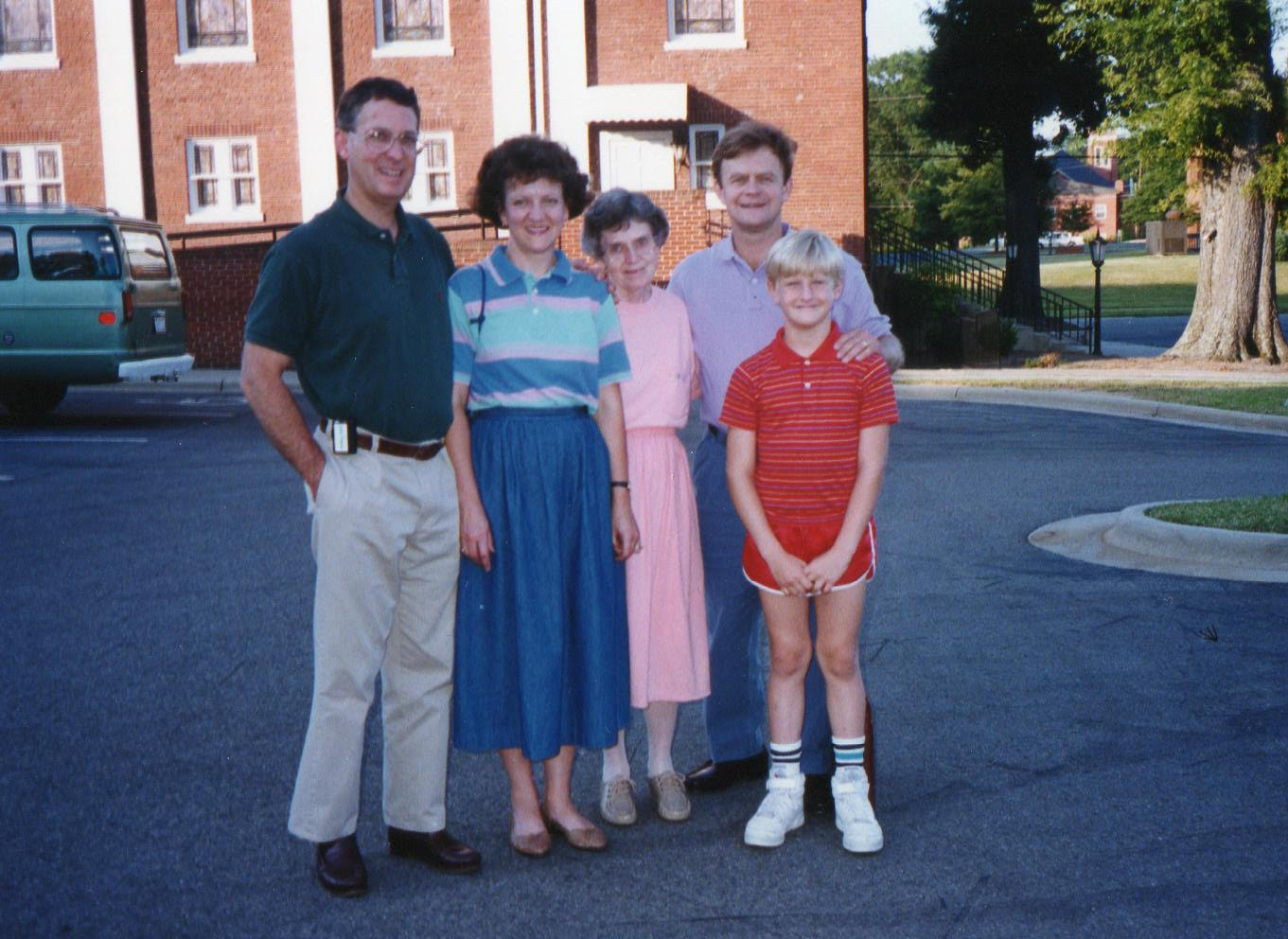
What about people in the business, finance and property community? Were they surprised to learn about your upbringing on the tough streets of San Blas and the work of your parents?
Now that the book is out, I have received many emails from people who only know me through investing. They’re surprised by my background or maybe they knew I grew up in Madrid but had no idea what an odd childhood I had. I think it has been a surprise [to them]. Most of my close friends knew, and a few have even come to Madrid to visit Betel, the drug rehab center.
In the book, you describe your parents’ unflinching faith in God and the missionary work they did whilst you had your own doubts and frustrations. What is your relationship with religion these days?
I’m not a pastor, preacher or theologian. I’ve followed my own route and gone into entrepreneurial activities and investing. However, at Oxford I attended St Aldate’s and in London I attended Holy Trinity Brompton. I think the faith my parent had was beautiful, and they did an extraordinary thing showing love and compassion to those in need for decades. I admire them.
A lot of the book deals with death and grief. How do you think being exposed to so much of both influenced how you view the world as an adult?
In the book I have a quote from my father. He wrote in his newsletter back to supporters in the US that, “AIDS breaks your heart. It makes you compassionate and softens you.” One thing Raúl said was that with AIDS you had to live a life of quality and not quantity. The virus made me realize that every day counted and we had to love people as much as possible. We really didn’t know how long they would survive, and we went to the hospitals as often as we could so they would know they were not alone. Death was never far, and it made life more vivid and more precious. I grew up very quickly and was mature beyond my years in some ways, and still immature in others.
While AIDS is a major part of the book, we didn’t obsess about the virus or AIDS, and almost everyone got on with life and helping others. The leaders in Betel didn’t want AIDS to define them. When the “cocktail” of drugs that stopped AIDS in its tracks appeared in 1995, everyone got on with their lives. What we had lived through only hit me years later at the 20th anniversary of Betel when they had a slideshow as a memorial of all the friends we had lost. Everyone was in tears as we remembered our friends, and I realized we had lived through something extraordinary we didn’t talk about enough. I wanted the book to be a memorial to all the friends we lost. I hope readers get to the end of the book and feel they know them and traveled with them on a journey.

When did you last return to Madrid and what is it like going back now?
When I lived in London I went to Madrid once a month, but now that I live in The Bahamas, I probably go every three or four months. I last went a few months ago, and I’ll go next month. My father lives in an apartment in the headquarters of Betel, and it is his life. When I’m back, I’m surrounded by people I grew up with who spend their lives helping others. The city has changed enormously and is much wealthier, cleaner, and more developed than what I grew up with as a child in the 1980s and 1990s. But you can still find shantytowns and drug dealing in the periphery of Madrid.
What advice would you give to anyone thinking about writing a memoir?
Firstly, I think in order to be a good writer, you have to be a good reader. Read great literature but also read classic memoirs or autobiographical sketches that have stood the test of time. Some of the books I most enjoyed most were The Diving Bell and the Butterfly, A Moveable Feast, Borrowed Time, Empire of the Sun, Just Kids, and The First Man.
Secondly, read books on writing and storytelling like Story by Robert McKee, Nobody Wants to Read Your Sh*t by Steven Pressfield and others. The Art of Memoir by Mary Karr is very good.
Do you have plans to write another book? If so, what would it be about?
Shooting Up was a labor of love and a memorial to friends and family. It was unique, and I don’t have another memoir in me. My day job is running an investment fund named Prevatt Capital, which is my mother’s maiden name. I spend my time with my two-year-old son and wife and visiting friends. I occasionally write investing books because some topics are of particular interest, and writing is a way of researching them and thinking about them deeply. In 2018 I wrote The Myth of Capitalism: Monopolies and the Death of Competition. That came from my research on the rise of industrial concentration and monopolies in the American economy.
One book I’m working on with a friend who is a humanities professor and avid investor is an introduction to personal investing. We hope it will be useful for laymen and professionals. We both agreed that there was no one book we’d give to someone wanting to learn about how they should start investing. There were half a dozen books, each one with its own angle. But we wanted to write a great book that could be of use to a sophisticated wealthy person and a young college person starting their personal journey. Wiley will publish it.
Playing football and going to the Santiago Bernabeu stadium to watch Real Madrid play was a big part of your childhood in Madrid. Do you still enjoy the game and who will you be supporting at the World Cup, USA or Spain?
I am not religious about following Real Madrid, but I have watched most of their Champions League games when they played in recent years. I do watch some league games. It is a much more commercial world than the Real Madrid I grew up with. Before much of the team was Spanish and came up through the junior teams like Emilio Butragueño, Michel, Martin Vazquez, etc. Now they’re all imported big signings and superstars.
I’m a cultural mutt, a mongrel. I’ll support Spain and the US. I lived in London for 20 years and became British, so I’ll support England too. I hope they don’t play each other. I hope they all do well.
Reflecting back on your Aussie property price collapse predictions, which did not eventuate (Sydney house prices have nearly doubled since 2016, while Melbourne values are up nearly 50%, official data shows) what do you think you got wrong?
[Report co-author John Hempton and I] have been amazed that [Australian house] prices have never corrected. My guess is that is because of negative gearing. Even when it is uneconomical to own speculative housing stock, there are tax benefits that help out or even overcome the losses. As that changes, I’m sure it will change the calculus. The other thing that I didn’t get right is that the government has had very high net migration, so it has increased demand while supply hasn’t kept pace, so it has helped with high property prices. But Aussie price/income ratios are crazy compared to most countries.
*All photo supplied and reproduced with the permission of Jonathan Tepper.


